

Habakkuk 2:2–3 is often used to support personal vision and goal-setting—but that’s not the true context. This post explains what the passage really means, how it reveals God’s sovereignty, and why surrendering your will is essential to walking the narrow road of obedience.

Introduction: This Isn’t About Your Vision
“Write the vision and make it plain.”
It’s one of the most quoted lines in Scripture—often used to encourage goal-setting, vision boards, and personal ambition. But in the Book of Habakkuk 2:2–3, God was not telling Habakkuk to write down his dreams. He was revealing His plan, in His timing, for His purposes. And that changes how we should understand this passage entirely.
In a culture that encourages us to chase our desires and ask God to bless them, it’s easy to confuse personal vision with divine direction. Many believers are not rejecting God outright—they are simply building their own plans and placing God on top of them. But Scripture calls us to something deeper than dedication. It calls us to surrender. To stop asking God to follow our lead and instead position ourselves to hear and obey His voice.
Habakkuk 2 is not about manifestation—it’s about submission. It confronts the tension between God’s will and our plans, and invites us into the narrow road of obedience described in Gospel of Matthew 7:13–14. Because following Jesus was never about building a life for ourselves—it’s about laying it down and trusting the One who sees what we cannot.

What Does Habakkuk 2:2–3 Really Mean?
To understand this passage, we have to step into the tension of the moment.
Habakkuk is not dreaming.
He is wrestling.
- Judah is corrupt.
- Violence is increasing.
- Injustice is unchecked.
Habakkuk cries out to God asking:
Why aren’t You doing anything?
God responds—but not in the way Habakkuk expects.
He tells him that He is raising up Babylon—a wicked nation—to bring judgment on Judah.
This confuses Habakkuk even more.
So in chapter 2, Habakkuk positions himself to wait for God’s answer.
And God says:
“Write the vision; make it plain on tablets…
For the vision awaits its appointed time…”
The “vision” is not Habakkuk’s personal future.
It is God’s revealed plan—specifically His judgment and His justice.
This is not a promise of personal success.
It is a declaration of divine sovereignty.
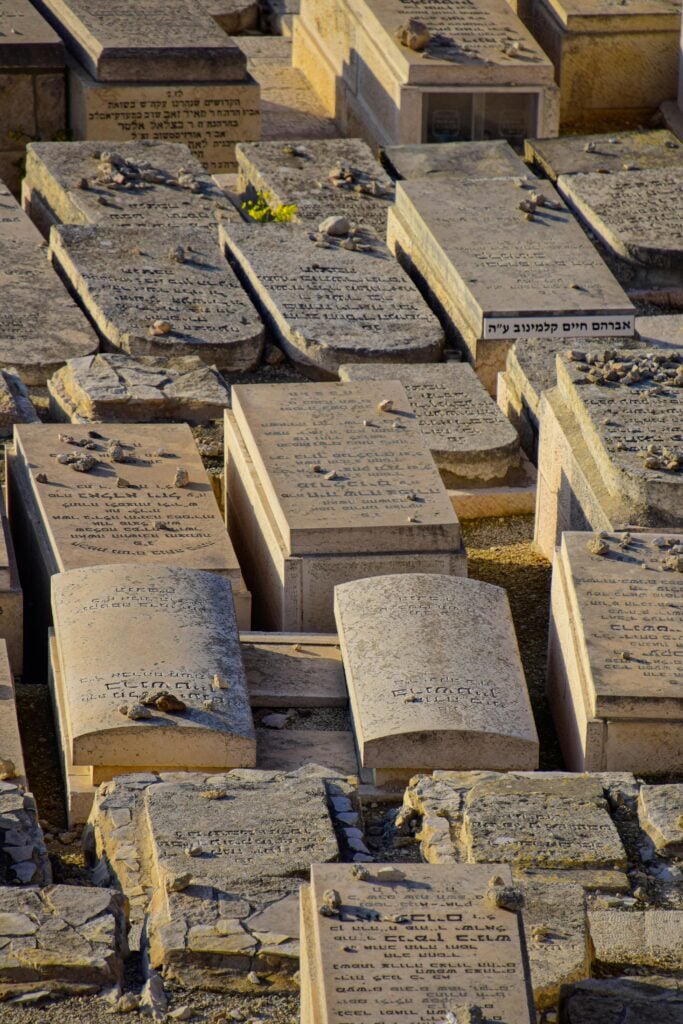
What “Write the Vision” Really Means
When God tells Habakkuk to write the vision, He is commanding him to:
- Record God’s message clearly
- Preserve it for others
- Make it understandable and undeniable
This was about proclamation, not personalization.
The vision:
- Was initiated by God
- Was defined by God
- Would be fulfilled in God’s timing
Habakkuk was not the author.
He was the messenger.
This corrects a major misunderstanding today.
We often treat this verse as if God is asking us to:
- Define our dreams
- Clarify our goals
- And expect Him to fulfill them
But in Scripture, God’s vision is not discovered through ambition.
It is received through revelation.

God’s Vision vs Your Plans
At the center of Habakkuk 2 is a truth that challenges how many of us approach God:
God’s vision does not originate from us—and it does not revolve around us.
In the Book of Habakkuk 2:2–3, the vision was not something Habakkuk imagined or desired. It was something God revealed. It carried God’s agenda, God’s timing, and God’s purpose—whether or not it aligned with what Habakkuk would have chosen.
That distinction matters.
Because many of us are not asking, “What is God’s vision?”
We are asking, “How can God fit into mine?”
Our Plans Are Limited—God’s Vision Is Sovereign
There is nothing inherently wrong with making plans. But Scripture consistently reminds us that our perspective is limited.
We see:
- What we want
- What we understand
- What feels right in the moment
God sees:
- The full picture
- The unseen consequences
- The eternal outcome
Our plans are shaped by preference.
God’s vision is shaped by purpose.
This is why His direction will often:
- Interrupt your timeline
- Challenge your expectations
- Require trust beyond your understanding
Not because He is withholding from you—
but because He is leading you.
When Plans Become Primary
The tension arises when our plans move from submission to control.
It can look subtle:
- You decide what you want—and ask God to confirm it
- You move forward—and ask God to bless it
- You feel peace—and assume it’s direction
But peace is not always confirmation.
And movement is not always obedience.
When our plans become primary, we stop listening for God’s voice and start filtering it through what we already want.
That’s not surrender.
That’s self-direction with spiritual language.
God’s Vision Often Feels Uncomfortable
If we’re honest, we prefer a version of God’s will that aligns with our desires.
But Scripture shows a different pattern.
God’s vision often:
- Stretches your faith
- Requires sacrifice
- Removes your sense of control
- Leads you where you wouldn’t naturally go
Habakkuk didn’t receive clarity that comforted him—he received truth that challenged him.
And yet, he was still called to trust.
Because God’s vision is not designed to affirm your preferences.
It is designed to form your obedience.
The Real Question
So the tension is not just theological—it’s personal.
Not:
“Do I have a vision for my life?”
But:
“Am I willing to follow God’s vision—even when it conflicts with mine?”
Because at some point, every believer faces this decision:
- Hold onto what you want
or - Surrender to what God is saying
And the narrow road always requires the second.
One Clear Distinction
Your plans ask God to participate.
God’s vision asks you to surrender.
Your plans are built around your understanding.
God’s vision is revealed through trust.
And the more tightly you hold your plans—
the harder it becomes to receive His.
When You Pursue Your Desires and Put God on It
One of the most subtle forms of self-deception in modern faith is this:
We don’t always reject God’s will—
we rebrand our own desires as His.
We make plans.
We set goals.
We map out timelines.
And then we invite God into it.
We pray over it.
We attach Scripture to it.
We call it “vision.”
But there is a difference between including God in your plans and surrendering to His.
The Difference Between Dedication and Surrender
It’s possible to dedicate something to God that He never initiated.
Dedication says:
“God, bless what I’ve decided.”
Surrender says:
“God, lead—and I will follow.”
Dedication keeps you in control.
Surrender transfers control.
This is why Habakkuk didn’t start with a vision—he started with waiting.
In the Book of Habakkuk 2:1, he says he will stand and watch to see what God will say.
He positioned himself to receive—not to create.
When Desire Leads and God Follows
When our desires take the lead, faith can quietly become self-directed.
It may look spiritual:
- “I feel peace about it.”
- “God knows my heart.”
- “I prayed about it.”
But peace is not always confirmation.
And desire is not always direction.
If we are not careful, we begin to:
- Seek God’s approval instead of His instruction
- Filter His voice through what we already want
- Ignore conviction that disrupts our plans
And over time, we stop asking:
“Is this God’s will?”
And start asking:
“Can I make this work with God?”
God’s Vision Is Revealed—Not Manufactured
In Scripture, God’s vision is never self-generated.
It is:
- Revealed by God
- Aligned with His character
- Often uncomfortable
- Always requiring trust
Habakkuk did not receive a vision that affirmed his desires.
He received one that challenged them.
That is often how God works.
Because God’s goal is not to affirm your preferences—
it is to form your heart.
The Cost of Getting This Wrong
When we pursue our own desires and attach God’s name to them, several things happen:
- We misinterpret outcomes as God’s will
- We become frustrated when things don’t work
- We struggle to discern God’s voice clearly
- We build lives that look purposeful—but lack obedience
And the most dangerous part?
It can all look spiritual.
The Safer Posture
Instead of asking:
“What do I want God to bless?”
Ask:
“What is God already saying?”
Instead of moving and asking God to follow—
Wait, listen, and follow Him.
Because true surrender is not asking God to step into your vision.
It is stepping into His.
One Honest Question—-Before moving forward with anything, ask:
If God said no to this, would I still trust Him?
Your answer will reveal whether you are surrendered—
or simply seeking support.

The Danger of Building a Life Around Your Own Vision
When Habakkuk 2 is misapplied, it can unintentionally reinforce a self-centered version of faith.
This can lead to:
Subtle Self-Reliance
You begin to build, strive, and execute—asking God to co-sign your plans rather than lead them.
Disappointment With God
When your vision doesn’t come to pass, you question God’s faithfulness—when the vision may not have been His to begin with.
Conditional Obedience
You obey when it aligns with your desires—but resist when it doesn’t.
A Distorted Gospel
Faith becomes about fulfillment rather than transformation. But following Jesus was never about achieving personal vision.
It was about laying it down.

The Narrow Road: Why Surrender Is Non-Negotiable
Jesus does not describe following Him as broad, flexible, or self-defined.
In Gospel of Matthew 7:13–14, He says:
“Enter by the narrow gate… For the gate is narrow and the way is hard that leads to life.”
That word narrow is intentional.
It doesn’t mean hidden.
It doesn’t mean inaccessible.
It means defined.
The narrow road has shape. It has direction. It has boundaries set by God—not adjusted by us.
And this is where surrender becomes non-negotiable.
You Cannot Walk the Narrow Road and Stay in Control
The narrow road is not simply about avoiding sin.
It is about who is leading your life.
Many believers want to walk with God while still maintaining control over:
- Their timeline
- Their decisions
- Their desires
- Their outcomes
But the narrow road requires a transfer of authority.
You cannot follow Jesus and lead yourself at the same time.
At some point, obedience will require you to step into something you didn’t choose—or step away from something you did.
That moment reveals whether you are truly surrendered.
The Narrow Road Confronts Self-Will
At its core, surrender is not about losing direction—it’s about surrendering self-will.
Self-will says:
“I will follow God as long as it aligns with me.”
Surrender says:
“I will follow God even when it doesn’t.”
This is why Jesus Himself modeled surrender in the garden:
“Not my will, but Yours be done.”
That is the narrow road.
Not perfection.
But submission.
Why Surrender Feels Difficult
Surrender is difficult because it touches what we hold most tightly:
- Our sense of control
- Our definition of success
- Our expectations for life
- Our desire for comfort and clarity
Letting go of these things doesn’t just change your plans—it challenges your trust.
Because surrender means:
- Obeying without full understanding
- Trusting without visible proof
- Moving without guaranteed outcomes
And that is uncomfortable.
But it is also where real faith begins.
The Narrow Road Is Not Restrictive—It Is Life-Giving
At first glance, the narrow road can feel limiting.
But Jesus makes it clear—it leads to life.
Not just eternal life, but a life aligned with God.
The wide road offers:
- Freedom without boundaries
- Direction without submission
- Desire without discipline
But it ultimately leads away from God.
The narrow road offers:
- Surrender over control
- Obedience over preference
- Trust over certainty
And it leads to life.
Surrender Is the Entry Point—Not the Extra Step
Surrender is not for “deeper” Christians.
It is the foundation of following Jesus.
You don’t graduate into surrender.
You begin with it.
Because the kingdom of God is not entered through ambition.
It is entered through yielding.
The Real Question
The narrow road ultimately brings you to one question:
Am I willing to follow God—even when it costs me what I wanted?
Because that is where surrender becomes real.
Not in theory.
But in decision.
One Clear Truth to Hold Onto
You don’t lose your life ‘per se’ on the narrow road.
You lose your illusion of control.
And in its place, you gain something far greater:
A life that is not built on your understanding—
but anchored in God’s will.

Living for God, Not for Gain
One of the quiet dangers in modern Christianity is the belief that obedience guarantees visible reward.
But Scripture does not promise:
- Immediate success
- Financial gain
- Public recognition
It promises God Himself.
Habakkuk didn’t receive a vision of prosperity.
He received a vision of judgment—and was called to trust God anyway.
This reframes everything.
Do you follow God for what He gives—
Or for who He is?
True surrender says:
“Even if this doesn benefit me, I will obey.”
That is the heart of the narrow road.
What True Surrender Looks Like
Surrender is not passive. It is active alignment.
It looks like:
- Saying yes when God’s direction is unclear
- Letting go of timelines you’ve created
- Trusting God’s plan over your preferences
- Remaining faithful without visible results

Lay Down Your Plans: The Narrow Road of Obedience
There is a moment every believer eventually faces:
The moment where what God is asking doesn’t match what you had in mind.
Up until then, following Him can feel aligned—your desires and His direction seem to move together. But eventually, obedience will require you to choose:
What you planned… or what He is saying.
And that is where the narrow road begins to feel narrow.
Obedience Is Where Surrender Becomes Real
It’s easy to say, “I trust God.”
It’s harder to obey Him when His direction disrupts your expectations.
The narrow road is not defined by what you believe in theory—it is revealed in what you choose in tension.
When:
- The opportunity looks right, but God says wait
- The relationship feels good, but God says release
- The path seems promising, but God says go another way
Obedience becomes the evidence of surrender.
Not your words.
Not your intentions.
Your response.
Laying Down Your Plans Is a Daily Decision
Surrender is not a single moment—it is a repeated posture.
Every day presents small crossroads:
- Follow your preference—or follow conviction
- Move ahead—or wait on God
- Hold on—or release
The narrow road is walked through daily decisions that often go unnoticed by others—but are deeply seen by God.
And over time, those decisions shape your life more than any long-term plan ever could.
Why We Cling to Our Plans
Letting go of your plans is difficult because they feel safe.
They give:
- Structure
- Clarity
- A sense of control
- A picture of the future
But that sense of control is often an illusion.
Because your plans are built on what you can see.
God’s will is built on what you cannot.
And obedience requires trusting what you cannot see over what you can.
The Cost of Obedience
The narrow road will cost you something.
It may cost you:
- Opportunities you thought were right
- Relationships you wanted to keep
- Timelines you carefully created
- Versions of life you imagined
And this is where many people hesitate.
Because surrender sounds beautiful—until it requires loss.
But what obedience takes, it also replaces.
Not always with what you expected—
but always with what is aligned.
Habakkuk: Receiving What You Wouldn’t Choose
Habakkuk did not receive a vision that aligned with his desires.
He questioned injustice.
God answered with judgment.
This wasn’t the outcome he hoped for.
But he didn’t rewrite it.
He received it.
And then he trusted God through it.
That is the narrow road of obedience:
Trusting God with what you wouldn’t have chosen.
Obedience Before Understanding
One of the defining marks of the narrow road is this:
You don’t always understand before you obey.
Modern thinking says:
“Understand first, then commit.”
But the kingdom often works in reverse:
Obey—and understanding will follow.
This requires trust.
Not blind trust—but trust rooted in who God is.

Why Laying Down Your Plans Is So Difficult
Letting go of your plans is not just a logistical shift—it’s a heart one.
Because your plans are often tied to:
- Your sense of identity
- Your expectations of success
- Your timeline for life
- Your desire for control
So when God’s will looks different, it doesn’t just feel inconvenient—it feels costly.
And it is.
The narrow road will cost you:
- Control over your future
- Clarity in the moment
- Comfort in the process
- Approval from others
But what it gives in return is something far greater:
alignment with God.
The Narrow Road Requires a Daily Yes
Laying down your plans is not a one-time decision.
It is a daily posture.
It looks like:
- Choosing obedience over preference
- Trusting God without full understanding
- Letting go of outcomes you cannot control
- Saying yes before you see the full picture
This is why the road is narrow.
Not because it is hidden—
but because it requires less of you and more of Him.
You Cannot Carry Both
One of the clearest truths of the narrow road is this:
You cannot fully carry your will and God’s will at the same time.
At some point, one must be surrendered.
Jesus Himself modeled this in the garden:
“Not my will, but Yours be done.”
That is the essence of obedience.
The Freedom Found in Surrender
Ironically, laying down your plans is not where life diminishes—it’s where it becomes clear.
Because when you stop striving to build your version of life, you are finally free to receive God’s.
Surrender is not loss.
It is release.
And the narrow road, though difficult, leads to something your plans never could:
life that is anchored in God, not outcomes.

Practical Ways to Lay Down Your Will
Surrender sounds powerful in theory.
But in practice, it often feels quiet, daily, and unseen.
Laying down your will is not a one-time moment—it is a series of decisions that train your heart to trust God more than yourself.
Here are practical ways to begin living that out.
Pray for Alignment, Not Just Outcomes
Many of us pray with a preferred result already in mind.
“God, let this work.”
“God, open this door.”
But surrender shifts the posture of prayer.
Instead of asking God to bless your plan, ask Him to align your heart with His.
Pray like this:
- “God, if this is not from You, close it.”
- “Shape my desires to match Your will.”
- “Help me want what You want.”
This kind of prayer is risky—because God will answer it.
But it is also where surrender begins.
Hold Your Plans Loosely
Planning is not the problem. Attachment is.
You can make thoughtful plans while still leaving room for God to redirect them.
Holding your plans loosely means:
- You are willing to pivot
- You are open to interruption
- You are not defined by the outcome
When your identity is tied to your plan, surrender feels like loss.
But when your identity is rooted in God, surrender feels like trust.
Obey What God Has Already Revealed
One of the most overlooked aspects of surrender is this:
You don’t need more direction—you need obedience.
We often wait for clarity about the future while ignoring what God has already said:
- Forgive
- Let go
- Be honest
- Walk in integrity
- Trust Him
Surrender is not waiting for a new instruction.
It is responding to the one you already have.
Practice Letting Go in Small Things
Surrender is built in small decisions before it’s tested in big ones.
It can look like:
- Letting go of the need to be right
- Choosing patience instead of control
- Releasing a conversation you want to win
- Trusting God with something unresolved
These moments may feel insignificant—but they train your heart to release control.
And over time, that posture becomes natural.
Sit With God Without an Agenda
Many of us approach God with a purpose:
To get direction.
To solve something.
To receive clarity.
But relationship is built in presence—not just requests.
Take time to:
- Sit in silence
- Read Scripture slowly
- Worship without multitasking
Not to get something from God—but to be with Him.
The more you know Him, the easier it becomes to trust Him.
Accept That You Won’t Always Understand
One of the hardest parts of surrender is releasing the need to understand everything.
We want:
- Clear explanations
- Predictable outcomes
- Logical steps
But God often leads in ways that require trust beyond understanding.
This is where surrender becomes real:
Will you obey without having all the answers?
Trust is not built when everything makes sense.
It is built when you choose to follow anyway.
Check Your Motives Honestly
Sometimes what we call “God’s will” is actually our desire in disguise.
Ask yourself:
- Do I want this because God said it—or because I prefer it?
- Am I open to God saying no?
- Would I still follow Him if this didn’t happen?
Honest questions protect your heart from self-deception.
Release the Outcome Daily
Even after you surrender something, the temptation to take it back will come.
That’s normal.
Surrender is not a one-time release—it is a daily one.
Each day, remind yourself:
- God is in control
- I am not responsible for the outcome
- My role is obedience
You release the result—again and again.
The Goal Is Trust, Not Perfection
Laying down your will does not mean you will never struggle.
It means you are choosing, over time, to trust God more than yourself.
You may hesitate.
You may wrestle.
You may not get it right immediately.
But every time you choose alignment over control, you are walking the narrow road.
One Simple Way to Start Today
Ask God one question:
“What am I holding onto that You’re asking me to release?”
Then listen.
And whatever He shows you—
take the next step of obedience.
Final Takeaway: The Vision Was Never Yours
Habakkuk 2:2–3 is not about writing your dreams into existence.
It is about trusting God’s word—even when it challenges your expectations.
The vision belongs to God.
The timing belongs to God.
The outcome belongs to God.
Your role?
To listen.
To trust.
To obey.
Because the life God calls you to may not look like what you imagined—
But it will always be better than anything you could create on your own.

FAQ for Habakkuk 2:2–3 Context
It refers to God instructing Habakkuk to record His revealed plan clearly. The “vision” is God’s message, not personal goals or ambitions.
No. The verse is often misused in that context. It is about documenting God’s revelation, not creating personal visions.
God’s will is His sovereign purpose. Our plans are human intentions. Scripture calls believers to submit their plans to God’s authority.
Final Call: Lay Down Your Plans and Walk the Narrow Road
At some point, following Jesus becomes unmistakably clear:
You cannot carry your will and God’s will at the same time.
The narrow road is not complicated—
but it is costly.
It asks you to release what you’ve imagined for your life
and trust what God has already written.
In Gospel of Matthew 7:13–14, Jesus doesn’t describe the narrow road to discourage you—He describes it to prepare you.
Because this road requires surrender.
Not partial.
Not conditional.
But whole.
Habakkuk didn’t receive a vision he would have chosen—
but he was still called to trust it.
And that same invitation stands for you:
Will you follow God only when it aligns with your desires—
or will you trust Him even when it doesn’t?
The life God is calling you to may not look like what you planned.
But it will always be better than anything you could build on your own.
So lay it down.
Not because your plans are worthless—
but because His are greater.
Reflection Question
Am I following God for who He is—or for what I hope He will give me?
Find absolute peace in the One who is peace—Jesus. His peace is sure.
Grace + Love,