Psalm 78 tells a version of David’s calling that most believers overlook. This post unpacks why God chose David—not for talent, visibility, or perfection—but for the condition of his heart. Through Psalm 78, we’ll explore what God truly values, how faithfulness in hidden places matters, and what this means for believers today who feel overlooked, unseen, or underestimated.

When most believers think about David, the same images come to mind: a brave shepherd boy, a giant slayer, a gifted worshiper, and eventually, Israel’s greatest king. We’ve been taught to admire his courage, his musical ability, and his rise from obscurity. But Scripture tells us something deeper—and far more challenging—about why God chose him.
Tucked away in Psalm 78 is a passage that reframes David’s calling entirely. Instead of spotlighting his victory over Goliath or his public anointing, Psalm 78 places David at the end of a long story of rebellion, disobedience, and spiritual instability among God’s people. In doing so, it reveals that David wasn’t chosen primarily for what he did, but for who he was becoming before anyone was watching.
This matters—especially for believers today who feel overlooked, unseen, or confused about why God values faithfulness over visibility. Psalm 78 invites us to reexamine the criteria we use to measure spiritual maturity, leadership, and calling. It reminds us that God has always been after the heart—and He still is.
Why the Story of David Is Often Misunderstood
The way David is commonly taught tends to flatten his story into a motivational narrative: the underestimated underdog who beats the odds. While that angle isn’t entirely wrong, it’s incomplete—and sometimes misleading.
We often focus on:
- David’s courage instead of his consistency
- His anointing instead of his obedience
- His public victories instead of his private faithfulness
As a result, David becomes a symbol of talent rising to the top rather than a testimony of God responding to a surrendered heart. This framing subtly trains believers to believe that gifting, charisma, or bravery are what move God—when Scripture repeatedly tells us otherwise.
Even the phrase “a man after God’s own heart” is often reduced to emotional devotion or worship expression. But biblically, the heart refers to one’s inner posture, decision-making center, and willingness to obey. David wasn’t chosen because he felt deeply—he was chosen because he trusted deeply.
When we miss this, we risk building our faith around performance instead of transformation.

Psalm 78 Explained: The Context We Often Skip
Psalm 78 is not primarily about David—it’s about God’s patience with a people who repeatedly forgot Him.
The psalm walks through Israel’s history of:
- Forgetting God’s works
- Resisting His instruction
- Rebelling despite provision
- Passing down instability from one generation to the next
Over and over, Israel failed to keep their hearts loyal to God. Their worship was inconsistent, their obedience conditional, and their trust shallow. This context matters because David doesn’t appear as a random hero—he appears as God’s response to a pattern that needed correction.
Psalm 78 tells us that God:
- Rejected Ephraim (symbolic of unfaithful leadership)
- Chose Judah (the tribe of promise)
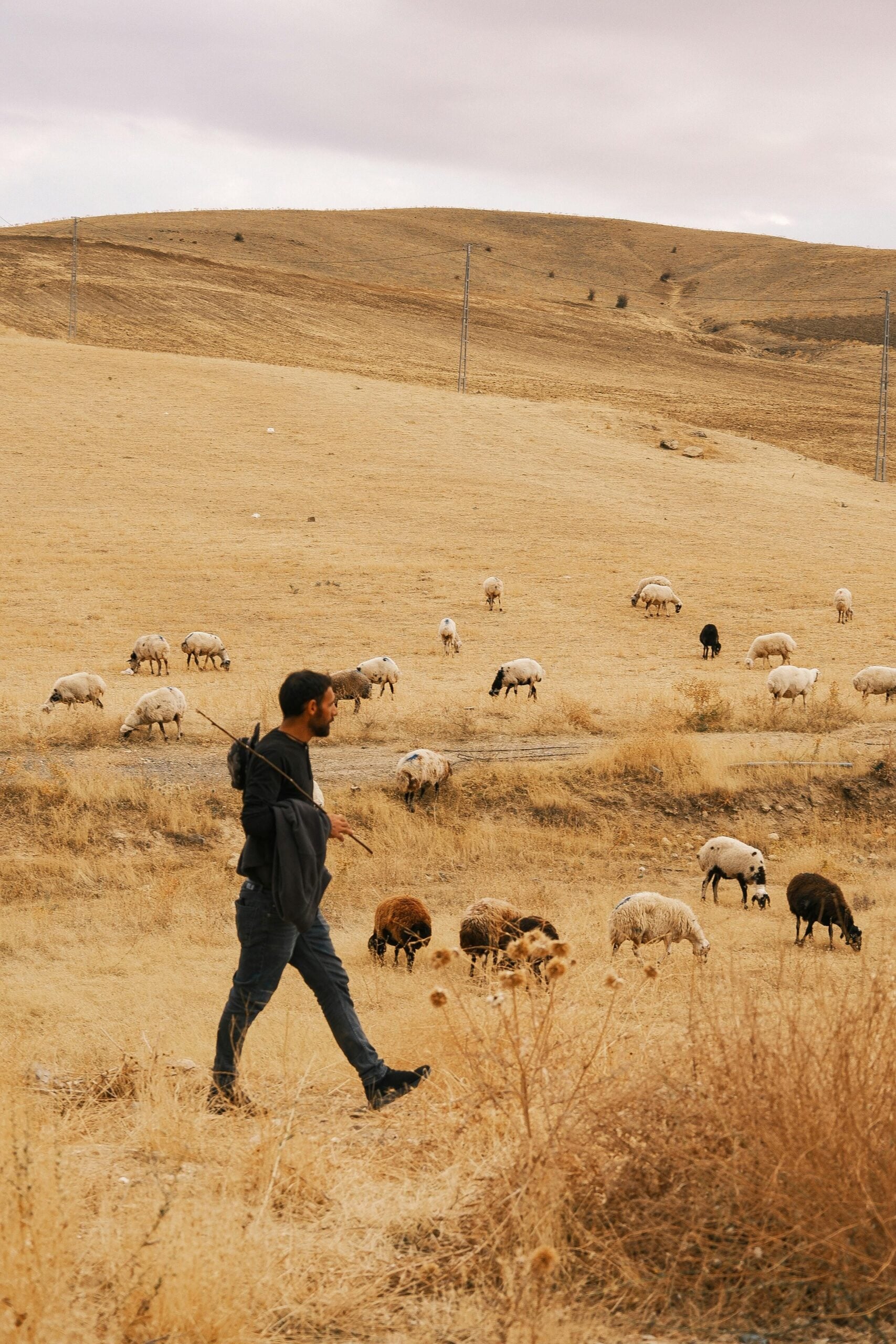
- Selected David, His servant, from the sheepfolds
Then comes the key line that reframes everything:
“He shepherded them according to the integrity of his heart,
and guided them with skillful hands.”
Notice the order. Integrity of heart comes before skillful hands.
David is introduced not as a warrior, not as a king, and not as a public figure—but as a shepherd formed in obscurity. Psalm 78 makes it clear that God wasn’t just choosing a leader; He was choosing a heart posture that could steady a people who had become spiritually unstable.
And that same standard still applies.
God Rejected a Pattern—Not Just a Person
When Scripture speaks about God rejecting Saul, it’s easy to read the story as a singular failure—a king who disobeyed once too many times. But Psalm 78 invites us to zoom out and see something far more sobering: God wasn’t reacting impulsively to one man’s mistakes. He was confronting a pattern that had taken root in Israel’s leadership and spiritual culture.
Before Saul ever lost the kingdom, Israel had already demonstrated a repeated cycle of instability—forgetting God, demanding control, and treating obedience as optional when it conflicted with comfort or fear. Saul didn’t create this problem; he embodied it.
Saul’s leadership reflected a heart posture that prioritized:
- Public approval over private obedience
- Immediate relief over long-term faithfulness
- Image management over repentance
Time and again, Saul obeyed partially, delayed repentance, or justified his actions when confronted. His issue was not ignorance of God’s commands—it was resistance to surrender. And that distinction matters.
God’s rejection of Saul was not rooted in imperfection, but in persistent self-reliance. Saul continually chose what made sense to him, what preserved his authority, or what satisfied the people—even when God had spoken clearly. Over time, this revealed a heart that could not be trusted with spiritual stewardship.
Psalm 78 shows us that God had grown weary of leadership that looked right on the outside but lacked integrity on the inside. The rejection of Ephraim earlier in the psalm echoes this same truth: strength, numbers, and history mean nothing if the heart drifts from God.
This is why David’s calling is so significant. God wasn’t simply replacing one king with another—He was interrupting a generational pattern of unstable leadership. Where Saul grasped for control, David learned dependence. Where Saul feared people, David feared God. Where Saul performed obedience, David practiced it—even when it cost him comfort or recognition.
Psalm 78 reveals that God’s decisions are rarely about isolated moments. They are about trajectories. Patterns matter to God because they expose what truly governs the heart.
And that truth doesn’t just apply to kings—it applies to us.
God still confronts patterns that look faithful on the surface but resist transformation underneath. He still opposes self-reliance disguised as wisdom. And He still chooses hearts that are willing to be led, corrected, and shaped—even when no one is watching.
David wasn’t chosen because he was flawless. He was chosen because his heart was teachable. And that made all the difference.

Why God Chose David According to Psalm 78
Psalm 78 gives us one of the clearest—and most overlooked—statements about why God chose David. It doesn’t point to his bravery, his worship, or even his future victories. Instead, Scripture highlights something far more foundational: the condition of his heart.
At the end of the psalm, after recounting generations of rebellion and unstable leadership, God introduces David this way:
“He chose David his servant and took him from the sheepfolds…
to shepherd Jacob his people…
And David shepherded them according to the integrity of his heart,
and guided them with skillful hands.”
That order is everything.
God chose David because of the integrity of his heart, not the impressiveness of his resume. Skill is mentioned—but only after character. Ability matters, but only when it is governed by a surrendered heart.
The word integrity here speaks to wholeness, consistency, and alignment. David was the same person in the field as he would later be on the throne. His obedience wasn’t situational, and his faith wasn’t performative. Before he ever led people, he learned how to be led by God.
This is where David sharply contrasts with Saul.
Saul obeyed selectively. David obeyed relationally. Saul responded to pressure by grasping control. David responded to uncertainty by trusting God. Even when David failed—and he did—his instinct was repentance, not justification.
Psalm 78 shows us that God wasn’t looking for someone who would never sin. He was looking for someone whose heart remained tender, responsive, and aligned even when corrected.
David’s years as a shepherd weren’t incidental; they were essential. In obscurity, he learned how to:
- Listen for God’s voice
- Protect what was entrusted to him
- Take responsibility without recognition
- Trust God without an audience
These hidden years formed the inner life that Psalm 78 points to. David didn’t become faithful when he was chosen—he was chosen because he was faithful when no one saw.
This reframes what it means to be “a man after God’s own heart.” It’s not about emotional intensity or spiritual charisma. It’s about availability, humility, and obedience rooted in trust.
Psalm 78 reminds us that God chooses leaders—and believers—not based on outward momentum, but on inward alignment. He entrusts influence to those whose hearts won’t fracture under pressure.
David was chosen not because he was the most impressive option, but because he was the most formed.
And that same standard still holds.

Faithful in the Fields: The Power of Hidden Obedience
Before David ever stood before a giant or sat on a throne, he stood watch in a field—alone, unseen, and responsible for what belonged to someone else. Psalm 78 is intentional in reminding us that God took David “from the sheepfolds.” That detail isn’t poetic filler; it’s theological weight.
The field was where David learned obedience without affirmation.
There were no crowds to applaud him, no titles to validate him, and no visible reward for doing his job well. Yet this is precisely where David’s heart was formed. Hidden obedience is where trust is tested, motives are purified, and faith becomes steady instead of situational.
In the fields, David learned how to:
- Remain faithful when no one was watching
- Take responsibility for what was entrusted to him
- Protect without recognition
- Worship without an audience
These weren’t minor lessons—they were leadership foundations. God didn’t promote David into faithfulness; He revealed faithfulness that already existed.
This is often where modern believers struggle. We tend to view hidden seasons as delays, punishments, or signs that we’ve missed God’s timing. But Scripture consistently shows that obscurity is not the absence of calling—it’s the environment where calling is shaped.
Hidden obedience exposes whether we serve God for outcomes or for intimacy. When obedience is no longer rewarded with visibility, comfort, or affirmation, what remains is the true posture of the heart.
David’s faithfulness in the fields created internal stability. Long before he faced public pressure, he had already learned how to trust God privately. That stability is what allowed him to withstand rejection, delay, and later—even correction.
Psalm 78 subtly teaches us that God entrusts people with influence only after they have proven trustworthy in obscurity. The field prepares the heart so that when elevation comes, it doesn’t corrupt what God has formed.
This is an invitation for believers today to stop despising hidden seasons. The work you do when no one sees it—the prayers whispered alone, the obedience that goes unnoticed, the faithfulness that feels mundane—matters deeply to God.
Hidden obedience is not wasted. It is recorded. And in God’s economy, it is often the very thing that qualifies us for what comes next.

What God Looks For in a Heart (Then and Now)
Psalm 78 makes something unmistakably clear: God’s criteria for choosing David was not cultural, circumstantial, or temporary. It was—and still is—heart posture.
When God chose David, He wasn’t looking for the most impressive résumé. He was looking for alignment. Integrity. A heart that could be trusted when pressure came—not just celebrated when things went well.
That hasn’t changed.
Scripture consistently shows that God looks past what people applaud and examines what governs a person internally. In David’s case, Psalm 78 highlights integrity before skill, character before competence, and obedience before authority. This tells us that God values who we are becoming more than what we are producing.
Then—and now—God looks for:
Integrity over Image
David’s heart was whole, not divided. He didn’t live one way privately and another publicly. Integrity means consistency—being the same person before God that you are before people. In contrast, much of Israel’s leadership had learned how to look faithful without being faithful.
Today, image is easier than integrity. Platforms, language, and spiritual aesthetics can mask an unsubmitted heart. But God is not impressed by visibility—He is drawn to wholeness.
Obedience over Performance
David’s obedience was relational, not transactional. He didn’t obey God to secure outcomes; he obeyed because he trusted God’s authority. Psalm 78 shows us that Israel repeatedly performed religious actions while resisting God’s instruction—and God rejected that pattern.
Modern believers face the same tension. It’s possible to serve, give, teach, and worship while quietly resisting surrender in key areas. God still prioritizes obedience that flows from trust, not activity that replaces it.
Trust over Self-Reliance
One of the deepest contrasts between Saul and David was where they placed their confidence. Saul leaned on strategy, numbers, and public approval. David leaned on God—even when it didn’t make logical sense.
Psalm 78 exposes how deeply God opposes self-reliance disguised as wisdom. A heart God looks for is one that depends on Him, especially when outcomes feel uncertain.
Teachable Hearts over Perfect Records
David’s life proves that God is not searching for flawlessness. He is searching for humility. When David sinned, he repented. When he was corrected, he returned. His heart remained soft toward God.
God still resists pride but gives grace to the teachable. A heart He chooses is not one that never fails—but one that doesn’t harden.
This is why Psalm 78 remains so relevant. It confronts the temptation to measure spiritual maturity by external markers—success, influence, productivity—rather than internal alignment.
God chose David because his heart could be led. And God still chooses the same way.
The question Psalm 78 quietly asks every believer is this:
Is my heart positioned to be guided by God—or am I managing my faith on my own terms?
That question mattered then.
And it matters just as much now.
How This Challenges Modern Believers
Psalm 78 doesn’t just correct how we view David—it confronts how we practice faith today.
Much like Israel, modern believers can know God’s works, repeat His words, and still drift internally. The challenge isn’t ignorance; it’s misalignment. We haven’t rejected God outright—we’ve often reshaped obedience into something more comfortable, efficient, or culturally acceptable.
This passage challenges us in several uncomfortable but necessary ways.
We Often Prioritize Visibility Over Faithfulness
In a culture shaped by platforms, metrics, and constant exposure, it’s easy to assume that fruit equals visibility. We subtly equate growth with being seen and impact with being affirmed. But Psalm 78 reminds us that God often chooses people whose faithfulness develops before anyone notices.
Many believers feel frustrated in hidden seasons not because God is absent—but because our expectations are shaped more by culture than by Scripture. David’s life reminds us that being unseen does not mean being unprepared.
We Can Confuse Activity with Obedience
Israel was active. They worshiped. They remembered God’s miracles—at least intellectually. Yet Psalm 78 repeatedly points out that their hearts were not steady with Him.
The same risk exists now. Serving, attending church, creating content, or even teaching Scripture can coexist with areas of resistance and self-rule. Obedience is not about how much we do for God, but how surrendered we are to Him.
This challenges believers to ask:
Am I doing things for God that allow me to avoid being led by God?
We Resist Slowness, But God Forms Through It
David’s formation took years. His preparation was slow, repetitive, and deeply ordinary. Psalm 78 makes it clear that God was not rushed in choosing him.
Modern faith often struggles with this pace. We want clarity quickly, purpose immediately, and confirmation without delay. But God forms hearts over time, not through shortcuts. Slowness isn’t a lack of favor—it’s often the method of formation.
We Prefer Control Over Dependence
One of the quiet warnings of Psalm 78 is how deeply God opposes self-reliance disguised as wisdom. Israel repeatedly trusted strategy over surrender. Saul did the same. David did not.
For modern believers, self-reliance often looks spiritual: over-planning, over-explaining, or insulating ourselves from needing God at all. Psalm 78 confronts this posture by reminding us that God entrusts leadership, influence, and stability to those who depend on Him, not those who manage faith independently.
We Want God’s Outcomes Without God’s Process
David’s anointing is celebrated—but his process is often skipped. Psalm 78 forces us to sit with the reality that God’s outcomes are inseparable from His methods.
This challenges believers who want clarity without surrender, elevation without obedience, and purpose without pruning. God doesn’t bypass the heart to reach the calling. He forms the heart through the process.
Ultimately, Psalm 78 invites modern believers to reexamine what we’re measuring.
Are we pursuing growth—or depth?
Influence—or integrity?
Momentum—or maturity?
God chose David because his heart could sustain what his calling would require. And that same question still stands for us today:
Can God trust my heart with what I’m asking Him for?

David’s Story as an Invitation, Not a Pedestal
One of the greatest misunderstandings about David is how easily his story becomes a pedestal instead of an invitation. We admire him, quote him, and elevate him—yet quietly distance ourselves from him, assuming his calling was exceptional and unreachable.
But Psalm 78 doesn’t present David as a spiritual anomaly. It presents him as a response—God’s answer to instability, divided hearts, and leadership that could not be trusted. David’s story isn’t meant to intimidate us; it’s meant to invite us into the same posture of heart.
David was not chosen because he was flawless. Scripture is unflinchingly honest about his failures, weaknesses, and blind spots. Yet despite his mistakes, David’s heart remained soft toward God. He returned quickly. He repented deeply. He did not defend himself when God corrected him.
That is the invitation.
David’s life shows us that God is not looking for people who never fail—He is looking for people who don’t harden. People who don’t excuse disobedience. People who don’t protect pride at the expense of repentance.
Psalm 78 subtly reframes greatness. It doesn’t highlight David’s victories or conquests. It highlights his integrity and his willingness to shepherd God’s people faithfully. The emphasis is not on how high David rose, but on how aligned he remained.
This matters because many believers disqualify themselves before God ever does. We assume our past mistakes, slow progress, or quiet seasons mean we are unfit for God’s purposes. But David’s story tells a different truth: what qualifies us is not perfection, but posture.
David’s life invites us to ask:
- Am I willing to be formed before I’m seen?
- Do I return to God quickly when I’m corrected?
- Is my heart more committed to being right—or to being led?
Psalm 78 reminds us that God still responds to hearts that are yielded, teachable, and faithful—even when they feel ordinary or overlooked. David’s story assures us that God’s choices are not random or exclusive. They are consistent.
This is not a call to compare ourselves to David.
It’s a call to align ourselves with the God who chose him.
And that invitation still stands.
Final Takeaway: God Still Chooses the Same Way
Psalm 78 reminds us of a quiet but unchanging truth: God’s standards have not evolved with culture. He still chooses the same way He always has—by the heart.
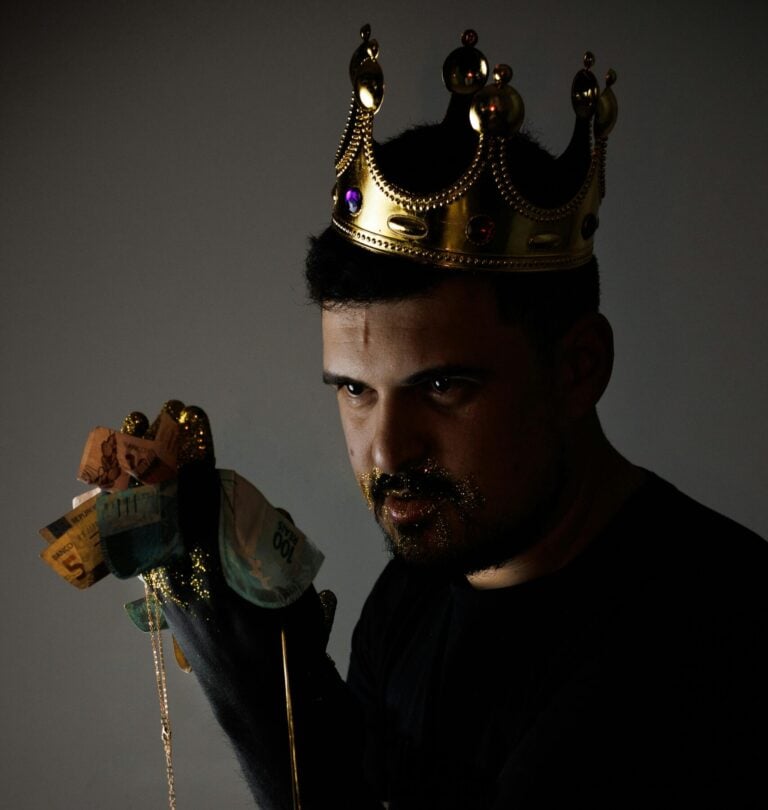
David wasn’t chosen because he was impressive, outspoken, or strategically positioned. He was chosen because his heart could be trusted. Long before a crown touched his head, integrity had shaped his inner life. Obedience had become his reflex. Dependence on God had been formed in obscurity.
And that is the invitation Psalm 78 extends to every believer.
God is not scanning for perfection. He is not waiting for flawless obedience or polished faith. He is looking for hearts that remain responsive, teachable, and yielded—even when the process is slow, unseen, or uncomfortable.
David’s story assures us that hidden faithfulness matters. That repentance still restores. That integrity still precedes influence. And that God is far more concerned with who we are becoming than how quickly we arrive.
If you feel overlooked, delayed, or quietly shaped in seasons that feel ordinary—take heart. God has never rushed His choosing. He forms before He entrusts. He steadies before He elevates.
The same God who chose David is still choosing hearts today.

Journaling Prompts
- “God, search my heart in this season and show me where alignment matters more than outcomes.”
Write honestly about what you sense God inviting you to surrender or realign. - “Where have I confused spiritual activity with true obedience?”
Reflect on any areas where doing for God has replaced being led by Him. - “What is God forming in me during this hidden season?”
Consider how obscurity, waiting, or repetition might be shaping your character. - “What would it look like to trust God more deeply right now?”
Write about areas where fear, control, or self-protection are resisting dependence. - “If integrity comes before skill, what part of my inner life needs attention?”
Explore habits, thoughts, or attitudes God may be inviting you to tend.
Psalm 78 reminds us that God chooses the heart before the crown. Take a moment this week to sit with that truth—and ask God not what He wants you to do next, but who He wants you to become.
Want to Go Deeper? Listen to the Full Podcast Episode
If this post stirred something in you, the conversation doesn’t stop here.
In this episode of Scratch Everything Podcast, I unpack Psalm 78 even further — exploring how we’ve often misunderstood David, why God’s criteria hasn’t changed, and what this means for believers navigating hidden seasons, obedience, and identity today.
We talk about:
- Why David wasn’t chosen for talent
- How God interrupts generational instability
- What “integrity of heart” actually means
- Why not playing small matters when God is forming you
- And how hidden obedience shapes public calling
If you’ve ever felt overlooked, delayed, or unsure why faithfulness feels slow — this episode will meet you there.
🎧 Listen to the full episode here.
And if it blesses you, share it with someone who needs to remember that God still chooses by the heart.
Find absolute peace in the One who is peace—Jesus. His peace is sure.
Grace + Love,