

Testing Our Faith: True Belief vs. Mere Outward Faith—-Hebrews 3 starkly reminds us that unbelief—not intellectual doubt, but a heart hardened against God—is the root issue. The author uses Israel in the wilderness as a sobering illustration: those who heard God’s promise still failed to enter His rest because of unbelief in their hearts (Hebrews 3:12‑19). Unbelief isn’t just weakness—it’s willful resistance to trusting God’s promises. It leads not just to loss of reward, but spiritual separation: “they stood apart from God, never having belonged to Him”. So, Hebrews 3 is a warning against an unbelieving heart and calls readers to examine their inner life: Are you attending church and using religious language—yet your heart remains distant? Or does your faith truly trust, love, and obey Jesus?
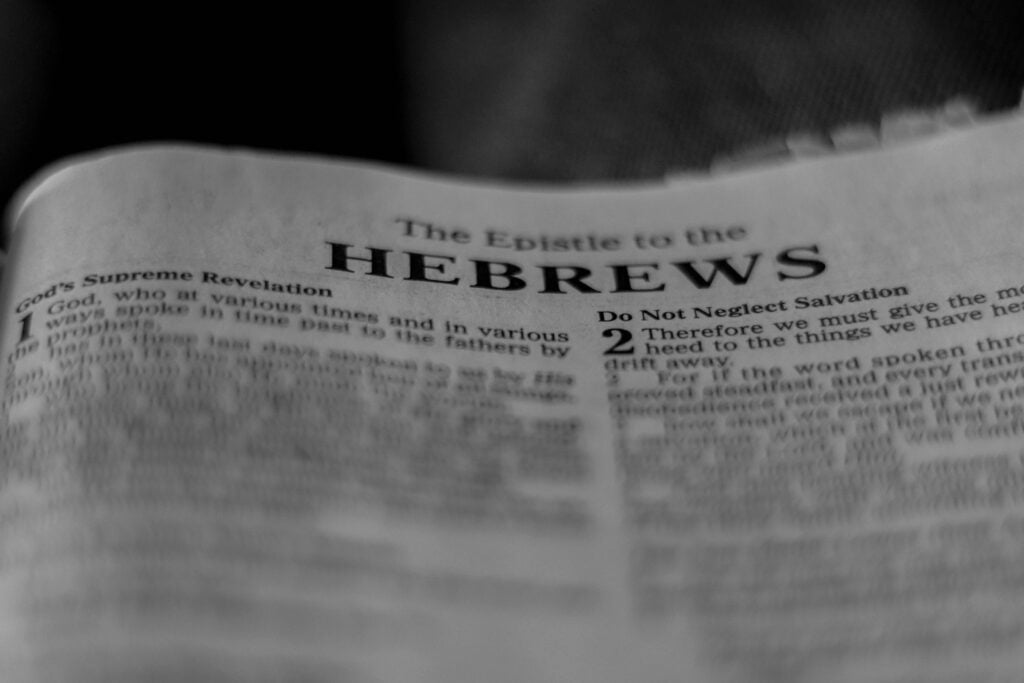
Hebrews 3 and the Question of “Once Saved, Always Saved”
One of the most debated theological questions among Christians is whether salvation can be lost—commonly framed as “once saved, always saved” and Hebrews 3 offers vital insight into this discussion.
Hebrews 3:12 warns:
“Take care, brothers, lest there be in any of you an evil, unbelieving heart, leading you to fall away from the living God.”
At first glance, this might sound like a believer can “lose salvation.” But when we read this within the full counsel of Scripture, a deeper truth emerges:
Perseverance Proves Authentic Faith
- Hebrews 3:14 says: “For we have come to share in Christ, if indeed we hold our original confidence firm to the end.”
- This doesn’t mean salvation is maintained by works. Rather, true saving faith endures. Those who genuinely belong to Christ will persevere because God Himself preserves them (John 10:28–29; Philippians 1:6).
Falling Away Reveals Unbelief
- The Israelites saw God’s miracles yet never truly believed.
- Likewise, many in church may appear saved (wheat among tares), but persistent unbelief or rejection of Christ reveals they were never truly His (1 John 2:19).
A Warning for Self-Examination
- Hebrews isn’t meant to cause fear of losing salvation but to expose false assurance.
- Outward actions—attending church, saying “I believe”—don’t automatically mean one has received a new heart.
- Genuine believers produce fruit and persevere in faith despite trials (Matthew 13:23; John 15:5–8).
The Biblical Balance
- Security: Those truly saved are eternally secure because salvation is God’s work, not human effort.
- Examination: However, we’re called to test ourselves (2 Corinthians 13:5) because mere profession without transformation is not salvation.
In short, Hebrews 3 aligns with the truth that not all who claim faith possess saving faith. The call is to continual trust and obedience, which mark a genuinely saved life—not a temporary or superficial response.

Parable of the Wheat and the Tares: Church Attendance Isn’t Enough
Jesus taught in Matthew 13 that the Kingdom of Heaven is like a field where good seed (wheat) and bad seed (tares/weeds) grow together until harvest.
Key lessons:
- The wheat represents true believers – the “sons of the kingdom”; the tares are false professors who look like believers but do not truly belong .
- The field is the world, and though tares grow closely among wheat, only God alone can distinguish and separate them at the final judgment.
- Uprooting tares prematurely risks damaging true believers—thus Jesus encourages patience and humility in the visible church.
This parable warns us: Membership in a church or religious appearance does not guarantee salvation. Ultimately, it’s about whether that inner seed—faith in Jesus—has truly taken root.
The Wheat and the Tares: A Clear Picture of True vs. False Believers
Jesus told the Parable of the Wheat and the Tares to explain what the Kingdom of Heaven looks like during this age before His return. It provides a sobering reality check about the presence of genuine believers (wheat) and false believers (tares/weeds) within the church.
The Parable Explained (Matthew 13:24–30)
- A farmer plants good seed (wheat) in his field.
- While he sleeps, an enemy (Satan) comes and sows tares (weeds) among the wheat.
- As both plants grow, the servants notice weeds but the master says: “Let both grow together until the harvest; then I will tell the reapers: Gather the weeds first… but gather the wheat into my barn.”
- Later, Jesus explains the parable (Matthew 13:36–43):
- Field: The world
- Good Seed: True children of the Kingdom
- Tares: Children of the evil one (false believers)
- Enemy: The devil
- Harvest: The end of the age (final judgment)
- Reapers: Angels
Key Biblical Insights
- True and False Believers Coexist: In the visible church, you cannot easily distinguish wheat from tares until spiritual fruit fully matures. Outward actions or attendance alone don’t reveal salvation.
- Human Judgment Is Limited: Jesus warns against uprooting tares prematurely because we might harm genuine believers. Only God has perfect discernment.
- Final Separation: At the end of the age, God will gather His true people (wheat) into His Kingdom and cast away tares into eternal judgment.
Spiritual Lessons for Today
- Church Attendance ≠ Salvation: Some sit in pews, serve in ministries, even preach—but may not truly know Christ (Matthew 7:21–23).
- Fruit Reveals the Heart: Like wheat, true believers bear fruit of righteousness (Galatians 5:22–23), while tares bear no lasting spiritual fruit.
- Patience and Discernment: Believers should be discerning but humble—we are not the final judge of someone’s salvation (James 4:12).
- The Enemy’s Strategy: Satan plants counterfeit believers to distort truth, sow division, and hinder Gospel witness from within the church.
How This Connects to Testing Our Faith
The parable challenges us to ask:
- Am I wheat or a tare?
- Do I merely look like a Christian outwardly, or has my heart been transformed by Christ?
- Am I producing fruit that lasts, or just blending into religious culture?
The wheat represents those with genuine, enduring faith, rooted in Christ, while the tares represent superficial believers who may have intellectual assent or cultural Christianity but lack saving faith.

Parable of the Sower: Where Are You Rooted?
Earlier in Matthew 13, the Parable of the Sower illustrates varied responses to God’s Word based on the soil (heart) condition:
- Seed on the roadside = immediately snatched away.
- Rocky soil = short-lived joy, falls away under pressure.
- Thorny soil = choked by anxieties and love of money.
- Good soil = yields abundant spiritual fruit.
Church attendance, excitement, and talk of faith can resemble rocky or thorny soil—superficial! Only genuine heart-transformation yields lasting fruit and signals true belief.
Combining the Lessons: Belief Rooted in Love and Obedience
Putting it all together:
- Hebrews 3 says unbelief originates in the heart—not the head—and leads to apostasy. Genuine faith perseveres.
- The Wheat and the Tares emphasize that outward profession doesn’t substitute for real faith; true believers are scattered among many who only appear obedient.
- The Sower shows that the quality of the soil (our hearts) determines whether the Gospel takes root and bears fruit.
So when does church attendance count? Great question! It counts when it accompanies:
- Faith in Jesus Christ—trusting Him as Savior and Lord.
- Love for others—fruit of a transformed heart.
- Obedience to Jesus’s commands—not legalism, but a willing heart that responds to God’s love.

Apostasy in the Church: Why It Happens and What the Bible Says
The presence of apostasy—people falling away from faith or rejecting Christ after appearing to believe—is one of the most sobering realities Jesus and the apostles warned about. Hebrews 3, the Parable of the Wheat and Tares, and the Parable of the Sower all reveal why apostasy occurs and what it teaches us about authentic faith.
What is Apostasy?
- Definition: Apostasy comes from the Greek word apostasia, meaning “a defection, revolt, or falling away.”
- Biblical Examples:
- Israel’s rebellion in the wilderness (Hebrews 3:16–19).
- Judas Iscariot, who walked with Jesus yet betrayed Him (John 13:27).
- Individuals like Demas, who abandoned Paul for worldly desires (2 Timothy 4:10).
- Scripture: “The Spirit expressly says that in later times some will depart from the faith…” (1 Timothy 4:1).
Why Apostasy Happens
Superficial Faith (Seed and the Sower)
- Some hear the Word with excitement but lack deep roots.
- When persecution, temptation, or worldly distractions come, they fall away (Matthew 13:20–22).
Presence of Tares Among Wheat
- The church contains both true believers (wheat) and false converts (tares).
- Many apostates never possessed genuine saving faith (1 John 2:19).
Deception and False Teaching
- Apostasy is fueled by false doctrines and counterfeit gospels that appeal to human desires (2 Peter 2:1–3; Galatians 1:6–9).
Hardened Hearts
- Persistent unbelief hardens the heart against God (Hebrews 3:12–13), leading to eventual rejection of Christ.
Signs of Apostasy in the Modern Church:
- Denying Core Doctrines: Rejecting Jesus’ divinity, authority of Scripture, or the reality of sin.
- Worldly Compromise: Adopting cultural values over biblical truth for popularity or comfort.
- Fruitlessness: Lack of spiritual transformation despite religious activity (Matthew 7:21–23).
- Rebellion Against God’s Authority: Refusing correction, accountability, or church discipline.
God’s Response to Apostasy
- Apostasy doesn’t surprise God; Jesus foretold it in Matthew 24:10–13.
- The final judgment (wheat vs. tares) will fully separate true believers from imposters.
- God calls His people to persevere, test their faith, and remain anchored in the Word and Spirit (Hebrews 10:23; Jude 1:3).
Conclusion:
Apostasy reminds us that not all who start in the church truly belong to Christ. Outward membership or ministry roles don’t equal salvation. True believers persevere in faith, bear fruit, and remain faithful to Jesus, while apostasy reveals hearts that were never truly transformed by the Gospel.

Authentic to Self vs. Borderline Rebellion: A Biblical Perspective
In today’s culture, we often hear the phrase “Be true to yourself.” While authenticity is valuable, Scripture warns that unchecked self-authenticity can drift into outright rebellion against God. Hebrews 3, along with Jesus’ parables, reminds us that genuine faith aligns with God’s truth, not just personal feelings or self-defined freedom.
Authenticity Through God’s Lens
- Scripture: “Behold, you delight in truth in the inward being…” (Psalm 51:6).
- Biblical Authenticity:
- It’s about living in honesty and humility before God.
- Acknowledging our struggles, confessing sin, and allowing Christ to transform us.
- Being transparent in faith, not wearing a religious mask to please others.
- Example: The tax collector in Luke 18:13 prayed authentically—acknowledging his sin—while the Pharisee pretended righteousness.
When Authenticity Becomes Rebellion
- Scripture: “The heart is deceitful above all things…” (Jeremiah 17:9).
- Signs of Borderline Rebellion:
- Using “authenticity” as a shield to justify sin or resist God’s commands.
- Claiming “God knows my heart” while continuing in willful disobedience.
- Refusing correction or biblical counsel under the banner of “just being me.”
- Example: The Israelites in the wilderness (Hebrews 3:8) followed their “authentic desires,” yet hardened their hearts and rebelled against God’s guidance.
Balancing Authentic Living and Obedience
- True authenticity doesn’t conflict with holiness. Instead, it brings us into deeper alignment with who God created us to be in Christ.
- Galatians 5:13 teaches: “You were called to freedom, brothers. Only do not use your freedom as an opportunity for the flesh, but through love serve one another.”
- A believer’s truest self is found in surrender—living by the Spirit, not the flesh (Romans 8:13–14).
How to Discern the Difference
- Authentic: Confesses struggles, seeks God’s will, repents when wrong, submits to biblical authority.
- Rebellion: Rationalizes sin, resists correction, prioritizes personal feelings over Scripture, disregards God’s commands.
Bottom Line:
True authenticity means living honestly before God and letting His Word define who you are. Borderline rebellion happens when we elevate self above Scripture, leading us to look like wheat outwardly but bear the fruit of tares inwardly.

How Can We Test Our Faith According to the Bible?
Scripture repeatedly calls believers to examine themselves to ensure that their faith is genuine and not a mere outward appearance. Hebrews 3, the Parable of the Wheat and Tares, and the Parable of the Sower all point to the necessity of self-testing to discern if we are truly rooted in Christ.
Self-Examination Through Scripture
- Verse: “Examine yourselves, to see whether you are in the faith. Test yourselves…” (2 Corinthians 13:5).
- Application: Regularly hold your life up to God’s Word like a mirror (James 1:22–25). Ask:
- Do I believe in Jesus as Lord and Savior, not just intellectually, but with full surrender?
- Am I walking in obedience to His commands out of love (John 14:15)?
- Does my faith bear fruit that reflects repentance and transformation (Matthew 3:8)?
Checking for Spiritual Fruit
- Verse: “You will recognize them by their fruits…” (Matthew 7:16).
- Evidence: True believers display the fruit of the Spirit—love, joy, peace, patience, kindness, goodness, faithfulness, gentleness, self-control (Galatians 5:22–23).
- Test: Examine your habits, speech, and reactions. Do they increasingly reflect Christ, or are they driven by fleshly desires (Galatians 5:19–21)?
Responding to Conviction of Sin
- Verse: “If we confess our sins, He is faithful and just to forgive us…” (1 John 1:9).
- Evidence: Genuine believers are sensitive to sin. They don’t live comfortably in rebellion but are drawn to repentance by the Holy Spirit (John 16:8).
- Test: Do you feel convicted when you sin, or have you grown numb and dismissive of God’s correction (Hebrews 12:6)?
Perseverance in Faith
- Verse: “…we have come to share in Christ, if indeed we hold our original confidence firm to the end.” (Hebrews 3:14).
- Evidence: True faith endures trials and resists falling away when life gets hard (James 1:12).
- Test: In suffering or temptation, do you cling to Christ or abandon Him for comfort, culture, or compromise?
Love for Others as Evidence of Salvation
- Verse: “We know that we have passed out of death into life, because we love the brothers…” (1 John 3:14).
- Evidence: Authentic believers demonstrate sacrificial love, forgiveness, and humility.
- Test: Are you willing to serve, forgive, and show grace—even when it’s undeserved—or do pride and bitterness rule your relationships?
Why This Matters.
Testing our faith isn’t about creating fear or doubt but ensuring that we aren’t deceived by empty religion or cultural Christianity. It allows us to confirm that our faith is genuine, rooted in Jesus, and producing fruit that aligns with God’s Word—not just human traditions or appearances.

Practical Biblical Characteristics of a True Believer
Jesus said in Matthew 7:16, “You will recognize them by their fruits.” Again, true believers are not defined by church attendance or outward declarations but by a transformed life that reflects Christ from the inside out. Here are key biblical characteristics that evidence genuine salvation:
Persevering Faith (Hebrews 3:14)
- Scripture: “For we have come to share in Christ, if indeed we hold our original confidence firm to the end.”
- Evidence: True believers continue trusting in Christ, even through trials and persecution. Their faith doesn’t vanish when life becomes difficult because it’s rooted in God’s work, not fleeting emotions.
Obedience to God’s Word (John 14:15)
- Scripture: “If you love me, you will keep my commandments.”
- Evidence: Genuine faith produces a heart willing to obey God’s commands, not out of obligation but love and reverence for Jesus. Obedience is not about perfection but direction—a life moving toward Christ.
Transformation of Heart and Mind (2 Corinthians 5:17; Romans 12:2)
- Scripture: “Therefore, if anyone is in Christ, he is a new creation. The old has passed away; behold, the new has come.”
- Evidence: True believers experience a renewed heart—new desires, values, and priorities. They progressively turn from sin and conform to Christ’s character through the Holy Spirit’s sanctifying work.
Love for Others (John 13:34-35; 1 John 3:14)
- Scripture: “By this all people will know that you are my disciples, if you have love for one another.”
- Evidence: Authentic faith is marked by genuine, sacrificial love—especially toward fellow believers. Harboring hatred or refusing to forgive contradicts a heart transformed by God’s grace.
Producing Spiritual Fruit (Galatians 5:22–23)
- Scripture: “But the fruit of the Spirit is love, joy, peace, patience, kindness, goodness, faithfulness, gentleness, self-control…”
- Evidence: True believers bear visible fruit of the Holy Spirit. Their actions, attitudes, and speech reflect God’s character rather than the desires of the flesh.
Conviction of Sin and Repentance (1 John 1:9; Proverbs 28:13)
- Scripture: “If we confess our sins, He is faithful and just to forgive us our sins and to cleanse us from all unrighteousness.”
- Evidence: True believers are not sinless, but they don’t live comfortably in sin. The Spirit brings conviction, leading to ongoing repentance and a desire to walk in holiness.
While outward activities like attending church or knowing Scripture are good, they are not the ultimate proof of salvation. The Bible shows that a true believer’s life is marked by persevering faith, loving obedience, spiritual fruit, heartfelt transformation, and a posture of humility and repentance.

Obedience to Jesus’s Commands — Not Legalism
One of the clearest signs of a true believer is obedience to Jesus’s commands, yet many confuse this with legalism. Understanding the difference is crucial because obedience flows from love and transformation, while legalism is rooted in self-effort and pride.
Biblical Obedience: A Fruit of Love and Faith
- Scripture: “If you love Me, you will keep My commandments.” (John 14:15)
- Obedience is not about earning salvation but evidence of salvation.
- It’s Spirit-led, meaning the believer relies on the Holy Spirit to live out God’s will (Galatians 5:16–18).
- A true believer delights in following Jesus because their heart has been transformed (Psalm 40:8).
What Legalism Looks Like
- Definition: Legalism is attempting to gain God’s approval or righteousness through rule-keeping or religious performance, rather than grace.
- Signs of Legalism:
- Measuring spirituality by traditions, appearances, or man-made standards.
- Boasting in one’s works instead of Christ’s finished work on the cross (Ephesians 2:8–9).
- Judging others harshly for not conforming to external rules (Matthew 23:4).
- Legalism burdens people without transforming the heart.
Key Difference: Motivation and Source
- Obedience: Flows from faith, gratitude, and love for Jesus. A Spirit-filled response to grace.
- Legalism: Flows from fear, pride, or desire for control. Self-reliance rather than Spirit-reliance.
Practical Examples of True Obedience
- Forgiving others even when it’s difficult (Ephesians 4:32), motivated by Christ’s forgiveness of us—not to check a religious box.
- Serving humbly (Mark 10:45) to glorify God, not to gain recognition.
- Turning from sin because it grieves God and disrupts intimacy with Him—not just to appear holy.
- Reading Scripture and praying to know God better and follow His ways—not to fulfill a daily quota.
Conclusion
- Legalism: “I obey, therefore God accepts me.”
- Gospel Obedience: “God has accepted me through Christ, therefore I joyfully obey.”
Obedience is the fruit of salvation, not the root of salvation. True believers will desire to follow Jesus’s commands because their hearts have been changed, whereas legalism seeks outward compliance without inward transformation.

Practical Reflections & SEO-Friendly Bible Exploration
- Self‑examination: As 2 Corinthians 13:5 urges, “Examine yourselves to see whether you are in the faith.” Don’t rest on attendance or confession—test your heart.
- Guard against heart-hardened unbelief (Hebrews 3:8) by nurturing trust and obedience daily.
- Beware of superficial faith: Are you a rock or thorn soil? Or does your life reflect Christ’s righteousness?
Find absolute peace in the One who is peace—Jesus. His peace is sure.
Grace + Love,