

Eternal Security: Once Saved, Always Saved? What the Bible Says—-Can you lose your salvation once you’ve truly received it? This question has stirred hearts, divided denominations, and sparked countless debates among believers. The doctrine of eternal security—commonly known as “once saved, always saved”—centers on whether a person who has genuinely received Christ can ever fall away or be lost. Let’s go straight to the Word of God to understand what Scripture really says about salvation, security, and what it means to endure to the end.

What Does “Once Saved, Always Saved” Mean?
The phrase “once saved, always saved” refers to the belief that once a person is truly born again through faith in Jesus Christ, they are eternally secure in their salvation. They cannot lose or forfeit their salvation, regardless of future sins or actions. But is that what the Bible teaches?
Let’s explore key passages that support—and challenge—this idea.
John 10: Eternal Security in the Hands of the Good Shepherd
“I give them eternal life, and they shall never perish; no one will snatch them out of my hand.” — John 10:28 (NIV)
This is one of the most cited scriptures supporting eternal security. In context, Jesus is speaking about His sheep—those who hear His voice, follow Him, and belong to Him.
Key Takeaways from John 10:27–30:
- Jesus gives eternal life—not temporary life.
- “They shall never perish” is a strong, emphatic promise.
- No one—not even the enemy—can snatch believers from Jesus’ hand.
- Even more, “My Father…is greater than all… no one can snatch them out of my Father’s hand.”
This double assurance—held by both Jesus and the Father—offers profound peace to the true believer.

But What About Falling Away?
While John 10 gives assurance, there are scriptures that offer serious warnings:
“It is impossible for those who have once been enlightened… if they fall away, to be brought back to repentance.” — Hebrews 6:4–6
“If we deliberately keep on sinning after we have received the knowledge of the truth, no sacrifice for sins is left…” — Hebrews 10:26
“The one who endures to the end will be saved.” — Matthew 24:13
These verses challenge us to examine the authenticity of our salvation. Are we truly following Christ—or merely acquainted with Him?
So Why Do Some “Fall Away”?
Many who seem to “lose their salvation” were never truly saved in the first place.
“They went out from us, but they were not of us…” — 1 John 2:19
They may have:
- Made a public profession, but lacked personal faith
- Responded emotionally, but not spiritually
- Participated in church, but never truly surrendered
Jesus addresses this in the Parable of the Sower (Matthew 13), where some seeds sprout quickly but wither, showing no lasting fruit. A false conversion can look real—until time, trials, or temptations reveal otherwise.
What If a True Believer Sins?
Even the most faithful believer will stumble. Think of:
- David (adultery + murder)
- Peter (denied Jesus three times)
- The Prodigal Son (rebellion, then return)
These examples show that salvation isn’t lost when a believer falls—but God lovingly convicts, disciplines, and restores His children.
“The Lord disciplines those He loves…” — Hebrews 12:6
A backsliding believer may walk away for a season—but they won’t stay away forever. The Holy Spirit won’t let them rest in rebellion. If they never return, the question becomes: were they ever His?
Key Truth:
You cannot lose what you never truly had.
Salvation is not a hotel reservation you accidentally cancel—it’s a rebirth into the family of God. If you’ve been genuinely saved, you’re a new creation (2 Corinthians 5:17), adopted by God (Romans 8:15), and sealed by the Holy Spirit (Ephesians 1:13–14).
You’re not holding onto God with white knuckles—He’s holding onto you with nail-pierced hands. A truly saved person will not be perfect—but they will be convicted, disciplined, and ultimately preserved by grace.
“Now to Him who is able to keep you from stumbling and to present you blameless…” — Jude 1:24
If you’re worried you’ve lost your salvation, that fear is often a sign that the Spirit is still drawing you—inviting you back into repentance, restoration, and rest in Christ.

The Evidence of True Salvation
Scripture teaches that true salvation produces fruit. It transforms a person’s heart, lifestyle, and desires.
“By their fruit you will recognize them.” — Matthew 7:16
“If anyone is in Christ, he is a new creation.” — 2 Corinthians 5:17
“We know that we have come to know him if we keep his commands.” — 1 John 2:3
True believers may stumble, but they do not live in unrepentant rebellion. Salvation is not a license to sin—it’s the power to live holy.
Assurance vs. Presumption
There’s a difference between biblical assurance and spiritual presumption.
- Assurance is rooted in faith, obedience, and intimacy with God.
- Presumption is assuming you’re saved without repentance or fruit.
Paul reminds us to:
“Work out your salvation with fear and trembling.” — Philippians 2:12
And Peter says:
“Make every effort to confirm your calling and election.” — 2 Peter 1:10
Eternal Security vs. Perseverance of the Saints: What’s the Difference?
At first glance, eternal security and perseverance of the saints may sound like the same thing—but there’s a critical distinction that every believer should understand.
Eternal Security (Once Saved, Always Saved)
This doctrine teaches that once a person is truly saved, their salvation is permanently secured. They are sealed by the Holy Spirit and cannot lose their salvation, no matter what. The emphasis is on God’s faithfulness to keep those who belong to Him.
Key Scriptures:
- “I give them eternal life, and they shall never perish; no one will snatch them out of my hand.” — John 10:28
- “Nothing can separate us from the love of God.” — Romans 8:38–39
- “He who began a good work in you will carry it on to completion.” — Philippians 1:6
Eternal security focuses on the unchangeable promise of God to hold and protect His children.
Perseverance of the Saints
This view expands on eternal security by emphasizing that true believers will endure in faith and obedience to the end—not by their own strength, but by God’s sustaining grace. It’s not just that they are kept—they also continue.
“The one who endures to the end will be saved.” — Matthew 24:13
Perseverance means that saving faith is active, ongoing, and evidenced by a changed life. A true believer cannot continue in willful rebellion indefinitely—they may stumble, but they return.
Key Scriptures:
- “By your endurance you will gain your souls.” — Luke 21:19
- “We have come to share in Christ if indeed we hold our original confidence firm to the end.” — Hebrews 3:14
- “They went out from us, but they were not of us…” — 1 John 2:19
Perseverance highlights that genuine salvation bears fruit, and real faith will stand the test of time.
Why This Matters:
Believing in eternal security without understanding perseverance can lead to spiritual complacency. But knowing that God both secures and sanctifies His people invites us into a life of confidence, accountability, and worshipful obedience.
“Now to him who is able to keep you from stumbling…” — Jude 1:24
You’re not just saved and stuck—you’re saved and being sanctified. True salvation isn’t just an event; it’s a journey—and the God who saves is also the God who sustains.
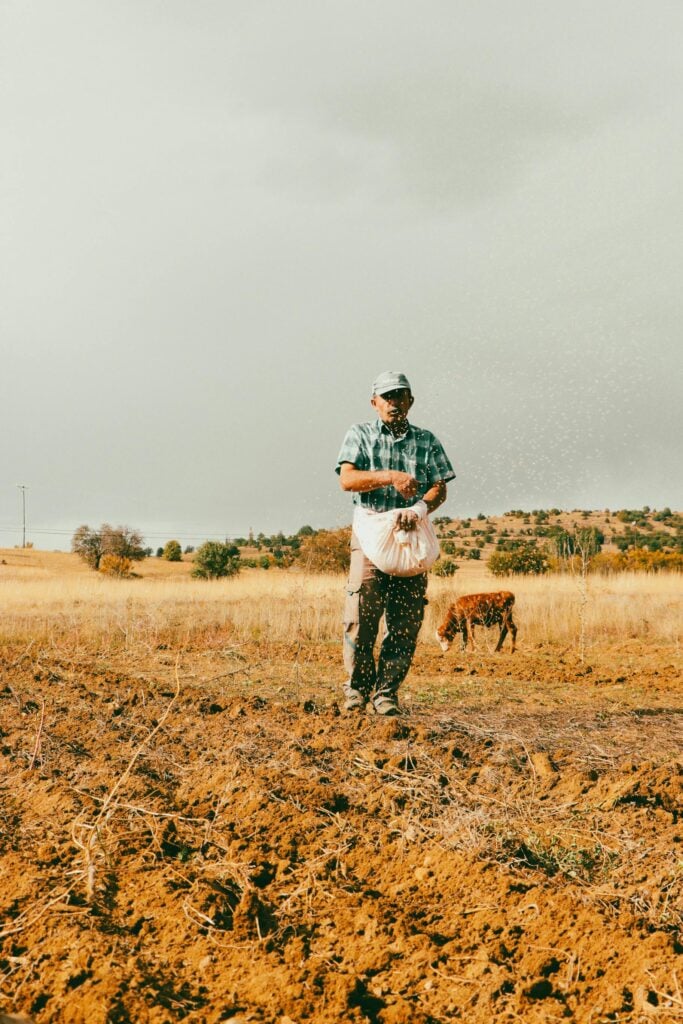
The Parable of the Sower: What It Reveals About Eternal Security
When it comes to the question of “once saved, always saved,” Jesus’ Parable of the Sower (Matthew 13:1–23) offers profound insight into the state of people’s hearts, their reception of the gospel, and the evidence of lasting salvation.
In this parable, Jesus describes four types of soil that represent different responses to the Word of God:
The Path (Seed Snatched Immediately)
“When anyone hears the message about the kingdom and does not understand it, the evil one comes and snatches away what was sown in their heart.” — Matthew 13:19
Interpretation: This person hears the gospel, but there’s no understanding or reception. The Word never takes root. They were never saved.
The Rocky Ground (Shallow, Emotional Response)
“They receive it with joy. But since they have no root, they last only a short time. When trouble or persecution comes… they quickly fall away.” — Matthew 13:20–21
Interpretation: This person seems to respond, even with joy—but there’s no root, no true transformation. Their faith is shallow, based on emotion or circumstances, not conviction. When trials hit, they fall away.
This challenges the idea that every profession of faith is genuine salvation.
The Thorny Ground (Crowded Heart)
“The worries of this life and the deceitfulness of wealth choke the word, making it unfruitful.” — Matthew 13:22
Interpretation: This person receives the Word, but it’s competed with by worldly desires, fears, and distractions. They appear to grow, but bear no lasting fruit.
According to Scripture, fruit is a sign of true salvation (John 15:8, Galatians 5:22–23). A fruitless faith is not a saving faith.
The Good Soil (True Believers)
“The seed falling on good soil refers to someone who hears the word and understands it. This is the one who produces a crop…” — Matthew 13:23
Interpretation: This person not only hears but understands, receives, and produces fruit over time. Their life reflects authentic transformation—proof of the Holy Spirit’s indwelling presence. This is the picture of eternal security through perseverance.
Why This Parable Matters in the Eternal Security Debate
Jesus clearly teaches that not every response to the gospel is genuine—some look real but fall away due to pressure, distraction, or lack of depth. Only the “good soil” believer produces fruit and endures.
“Not everyone who says to me, ‘Lord, Lord,’ will enter the kingdom of heaven…” — Matthew 7:21
Eternal security applies only to those who were truly saved to begin with—those whose faith was rooted, fruitful, and Spirit-filled.
This parable affirms:
- False conversions are real.
- Emotional or shallow faith is not saving faith.
- Fruit and endurance are evidence of salvation.
The Parable of the Sower helps us discern: Did salvation truly take root? A person may attend church, raise their hand in a service, or say a prayer—but the real test is lasting fruit, faithful endurance, and a life transformed by the Spirit.
“By this my Father is glorified, that you bear much fruit and so prove to be my disciples.” — John 15:8

The Role of the Holy Spirit
“The Spirit himself testifies with our spirit that we are God’s children.” — Romans 8:16
The Holy Spirit seals believers (Ephesians 1:13–14) and keeps them until the day of redemption. When you’re truly saved, the Spirit convicts, guides, and empowers you to walk in truth.
Fruit of the Spirit vs. Works of the Flesh: Evidence of Who’s Really in Control
One of the clearest indicators of whether a person is truly walking with God is what flows out of their life. The Bible draws a sharp contrast between the fruit of the Spirit and the works of the flesh—and it’s a contrast every believer must understand if we want to discern between counterfeit faith and true transformation.
“You will recognize them by their fruit.” — Matthew 7:16
What Is the Fruit of the Spirit?
The fruit of the Spirit is the visible evidence of the Holy Spirit actively working in a person’s heart. It’s not something we manufacture on our own—it’s what grows naturally when we’re rooted in Christ and submitted to His Spirit.
“But the fruit of the Spirit is love, joy, peace, patience, kindness, goodness, faithfulness, gentleness, and self-control.” — Galatians 5:22–23
Each of these traits reflects the character of Christ. They aren’t just good morals—they’re spiritual fruit that testifies to a transformed heart.
What Are the Works of the Flesh?
In contrast, the works of the flesh are the natural byproducts of a life governed by self, not the Spirit. They reflect our sinful nature and rebellion against God.
“The acts of the flesh are obvious: sexual immorality, impurity, debauchery, idolatry, witchcraft, hatred, discord, jealousy, fits of rage, selfish ambition, dissensions, factions and envy; drunkenness, orgies, and the like.” — Galatians 5:19–21
Paul warns that “those who live like this will not inherit the kingdom of God.” These aren’t just bad habits—they’re evidence of spiritual separation.
Fruit vs. Flesh: A Side-by-Side View
| Fruit of the Spirit (Evidence of Life in Christ) | Works of the Flesh (Evidence of Life Apart from Christ) |
|---|---|
| Love, Joy, Peace | Hatred, Jealousy, Discord |
| Patience, Kindness, Goodness | Fits of Rage, Selfish Ambition, Envy |
| Faithfulness, Gentleness, Self-Control | Sexual Immorality, Drunkenness, Idolatry |
You can’t fake fruit, and you can’t hide flesh for long. Sooner or later, what you’re rooted in will be revealed.
Why This Matters in the Eternal Security Debate
If someone claims to be saved but their life is consistently marked by the works of the flesh, without repentance, conviction, or change—they may not truly be saved.
“No one born of God makes a practice of sinning…” — 1 John 3:9
But when the Spirit of God is at work in someone, there will be fruit—even if it grows slowly.

Can Someone “Lose” Their Salvation?
Many who appear to walk away may have never truly been saved to begin with. This is the heart of the eternal security conversation—and one of the most emotionally charged questions in all of Christian theology.
Short Answer: If the salvation was real, it can’t be lost—but if it was false, it was never possessed.
Many people worry:
- What if I mess up too badly?
- What if I fall back into sin?
- What if I stop feeling close to God?
But we must ask a more foundational question: Was I truly born again to begin with?
Scripture is Clear: God Doesn’t Fumble His Children
“I give them eternal life, and they shall never perish; no one will snatch them out of my hand.” — John 10:28
“For those God foreknew He also predestined… those He called, He also justified; those He justified, He also glorified.” — Romans 8:29–30
Salvation is God’s work from start to finish. If He begins it, He’s faithful to complete it (Philippians 1:6). True salvation is secure—not because of our grip on God, but His grip on us.
“They went out from us, but they were not of us; for if they had been of us, they would have continued with us.” — 1 John 2:19
God knows those who are His (2 Timothy 2:19), and He finishes what He starts:
“He who began a good work in you will carry it on to completion…” — Philippians 1:6
Summary: What the Bible Says About Eternal Security
Yes, the Bible teaches that those truly saved are eternally secure in Christ (John 10:28, Romans 8:38–39).
No, this does not give license to live in sin (Romans 6:1–2).
Genuine faith produces fruit, obedience, and endurance.
God disciplines His children (Hebrews 12:6–11) and preserves them, but also calls them to walk faithfully.

Final Thought: Salvation Is a Relationship, Not a Transaction
“Once saved, always saved” should never become a complacent slogan. Instead, it should inspire deep gratitude and a life of surrender. Our salvation is not based on our performance—but it is evidenced by our response to God’s grace.
Stay close to the Shepherd. Hear His voice. Follow His lead. And rest in the grip that never fails.
Reflect for the Week
- Have you been relying on a past moment or living in daily relationship with Christ?
- Is there evidence of the Holy Spirit’s work in your life?
- Are you walking in obedience—or just knowledge?
- Am I producing fruit that reflects the character of Christ?
- Do I excuse works of the flesh in the name of grace?
- Is there a pattern of conviction, confession, and growth in my walk with God?
Scriptures to Study This Week
- John 10:27–30
- Hebrews 6:4–6
- Romans 8:38–39
- Philippians 1:6
- Matthew 24:13
- 2 Corinthians 5:17
- 1 John 2:3–6
- Ephesians 1:13–14
Find absolute peace in the One who is peace—Jesus. His peace is sure.
Grace + Love,









What a well-written and beautifully, thought-out discussion on once saved always saved!